Features
Transform Your Brand with Proven Technology!
Saint Humic Acid (a sister company to Jing Feng Humic Acid) is a global leader in the humic substance industry. While they produce a wide variety of organic derivatives, their core focus is heavily concentrated on four primary application industries

Agriculture
High-purity carbon fertilizers and soil conditioners designed to enhance nutrient uptake, improve soil structure, and increase crop yields.

Soil Remediation
Focus on ecological restoration by using humic substances to remediate heavy metal pollution in soil and wastewater.

Animal Feed
Sodium humate additives improve gut health, promote growth, and act as a natural detoxifier for livestock and aquaculture.
Healthcare & Pharma
Pharmaceutical-grade humic acids used in supplements for their anti-inflammatory, antiviral, and detoxifying properties.
OUR STORY
Saint Humi Acid
Saint Humic Acid specializes in the research, development, and large-scale production of humic acid, fulvic acid, amino acids, Seaweed Extracts and various salts (like Potassium Humate). They are a key player in the “Green Agriculture” movement, focusing on soil remediation and organic fertilization.
- Agirculture:Improving soil structure, enhancing nutrient uptake, and increasing drought resistance in crops.
- Industry: Providing additives for drilling mud, battery expanders, and ceramic binders.
- Animal Feed: Developing natural additives to improve livestock digestion and immunity.
- Environmental Protection: Using humic substances for heavy metal removal and wastewater treatment.

Services
Core Products
Saint Humic Acid’s product catalog is categorized by its chemical base and intended industry application. “Main Products” are generally grouped into the following four categories:

Humic Acids
Humic acids are macromolecules containing various functional groups (like carboxyl and phenolic groups) that give them a high “cation exchange capacity.” This is a fancy way of saying they are excellent at grabbing onto nutrients and holding them.

Sodium Humate
While regular humic acid is often slow-releasing and only partially soluble, sodium humate is the sodium salt of humic acid. It is created by reacting humic substances (like leonardite or peat) with sodium hydroxide (NaOH).

Potassium Humate
It is produced by extracting humic acid from leonardite using potassium hydroxide (KOH). The result is a highly soluble,”plant-ready” salt that provides two benefits in one: the soil-conditioning power of humic acid and a boost of essential potassium (K).

Fulvic Acid
Fulvic acid is the smallest, lightest, and most biologically active fraction of humic substances. While humic acid is a large molecule that mostly stays in the soil to improve its structure, fulvic acid is small enough to pass directly through plant cell membranes—taking nutrients with it.

Amino Acid
In nature and in premium fertilizers, amino acids rarely exist in isolation. They are often bonded together or “complexed” with minerals to perform specific metabolic functions.

Seaweed Extract
Seaweed extract (usually derived from the brown alga Ascophyllum nodosum) is packed with natural plant growth regulators (PGRs) that tell the plant exactly what to do and when to do it.
Portfolio
Explore Our
Project Highlights
Products
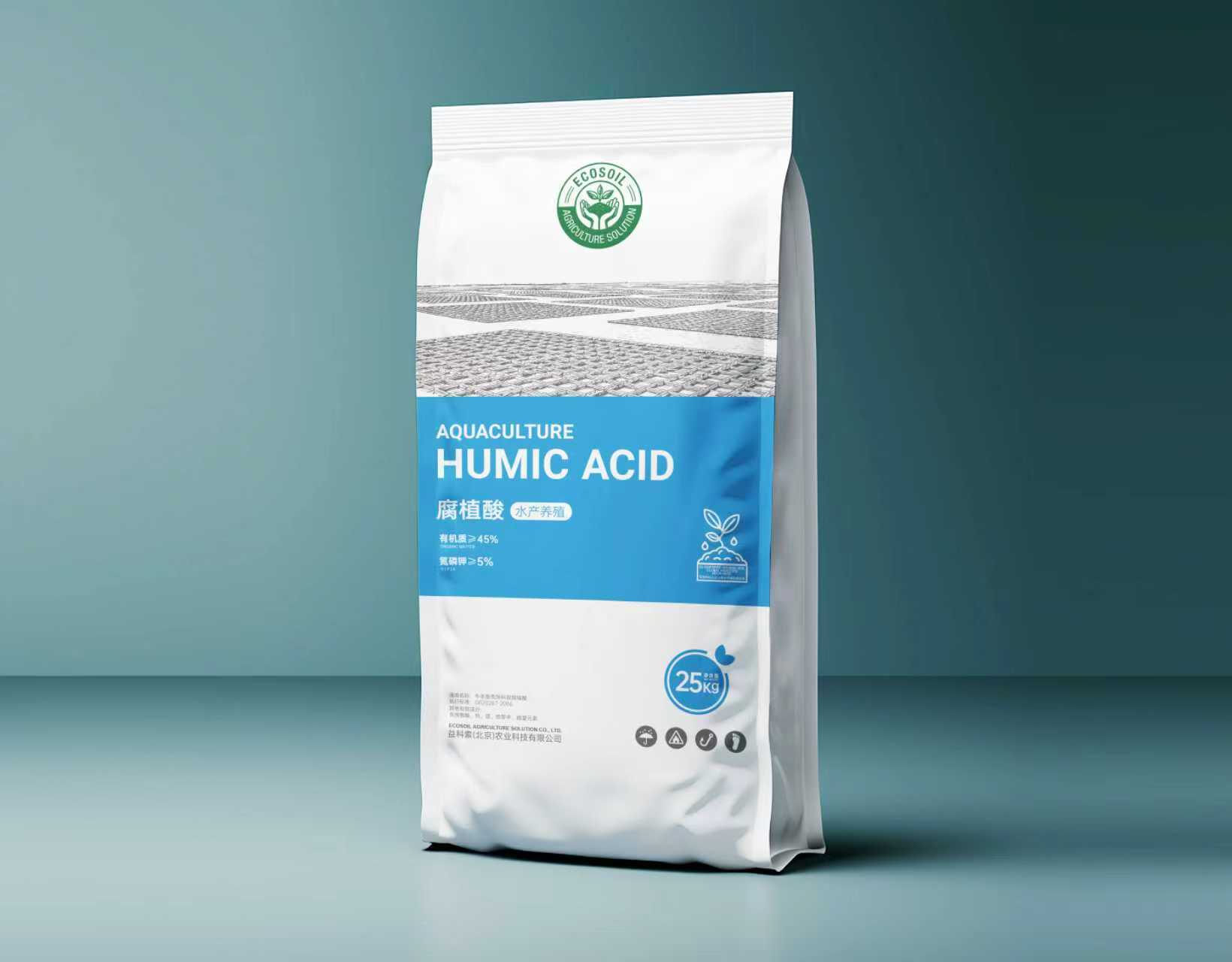
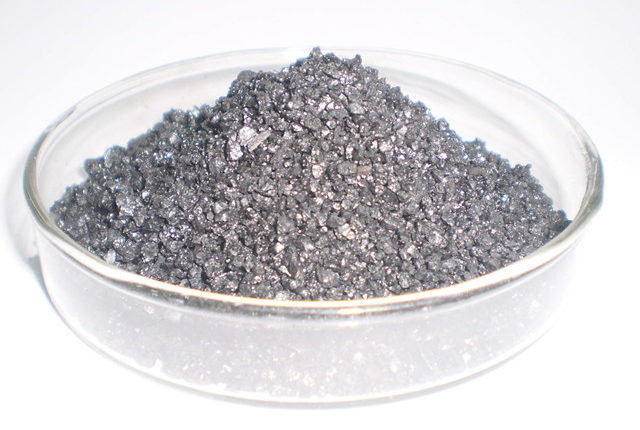
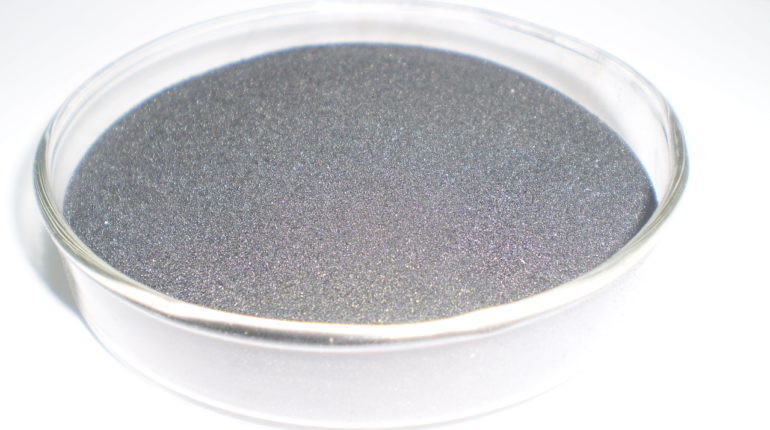
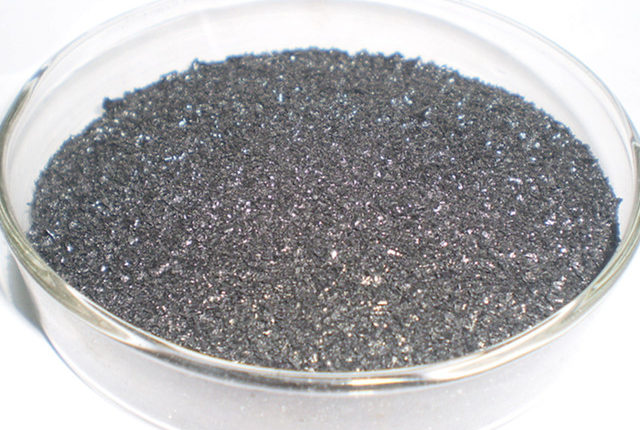
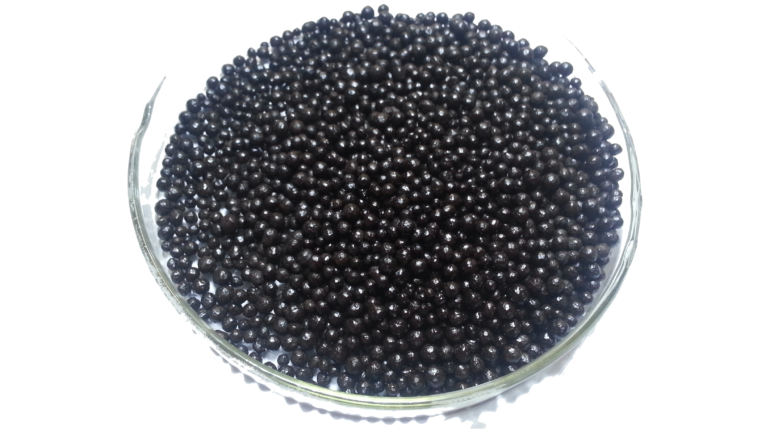
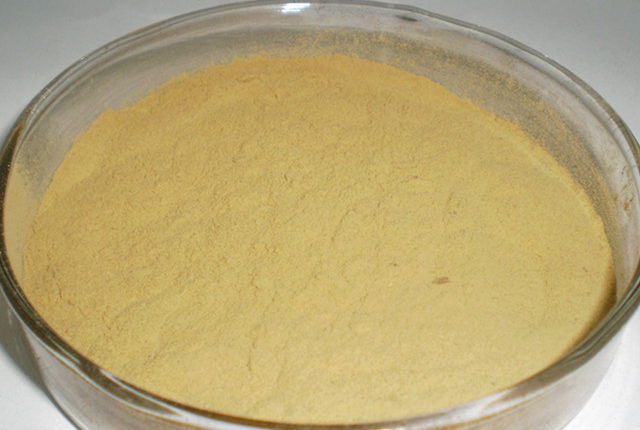
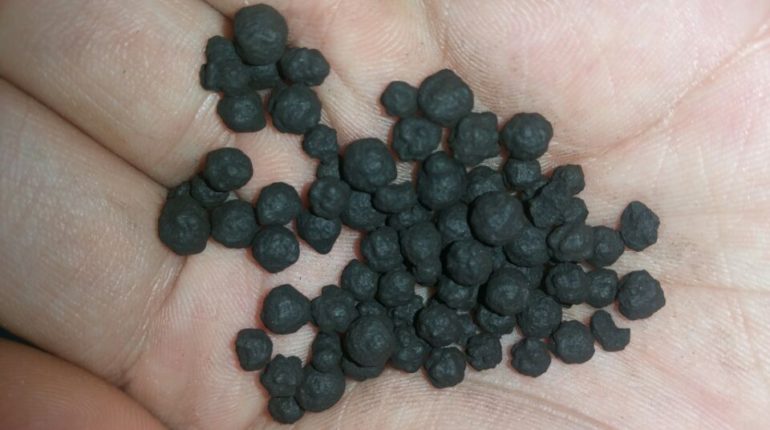
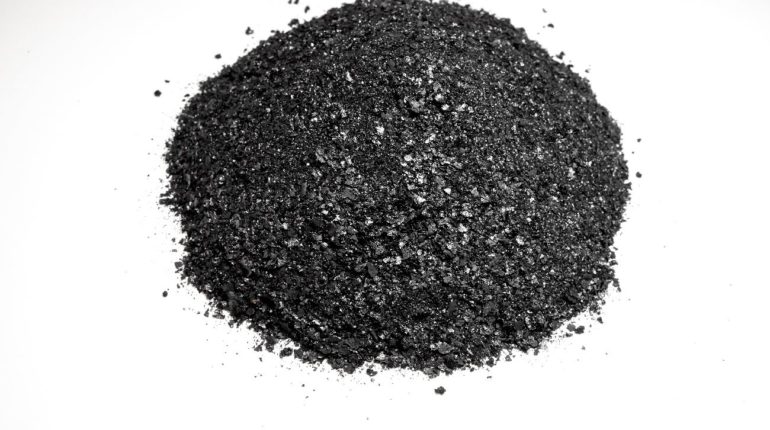
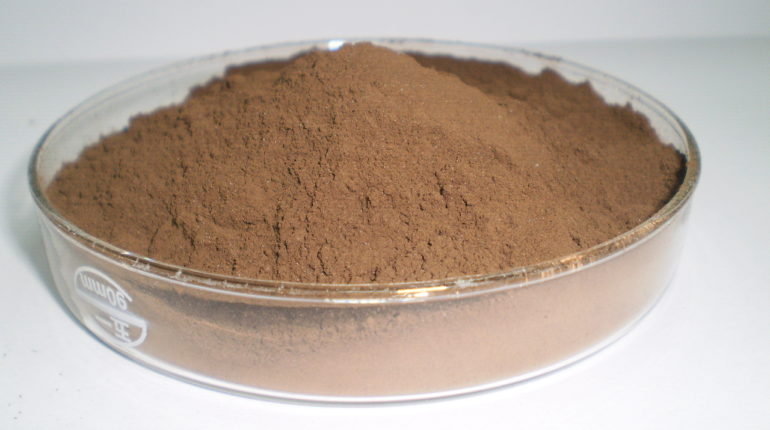
Saint Humic Acid’s product gallery is defined by the physical form of the humates, which dictates how they are applied (e.g., as a dry soil amendment, a liquid spray, or a feed additive)
Portfolio Title
Portfolio Title
Portfolio Title
Portfolio Title
Portfolio Title
Portfolio Title
Portfolio Title
Portfolio Title
How we work
Our Structured Process to Achieve Your Goals
01
Physical Action: The “Soil Architect”
Saint Humic Acid’s products (especially the granular forms) act as a glue for soil particles.
Thermal Regulation: The dark color of the humate helps the soil absorb more solar energy, warming the root zone faster in the spring.
Aggregation: It combines with clay particles to create “crumb structure.” This prevents soil from cracking and keeps it airy so roots can breathe.
Water Retention: In sandy soils, the high surface area of the humic molecules helps hold onto water molecules that would otherwise drain away.

02
Chemical Action: The “Nutrient Manager”
This is the most critical function. Humic acid has a very high Cation Exchange Capacity (CEC).
Fertilizer Efficiency: It stabilizes Nitrogen (preventing it from gassing off as ammonia) and prevents Phosphorus from bonding with Calcium or Aluminum, which usually makes it useless to plants.
Chelation: It “wraps” around metallic micronutrients (like Iron, Zinc, and Manganese) to keep them from getting locked up in the soil. This keeps them in a “liquid-ready” state for the plant.
pH Buffering: It helps neutralize both highly acidic and highly alkaline soils, creating a “sweet spot” (pH 6.0–7.0) where most nutrients are naturally available.
03
Biological Action: The “Microbe Fuel”
Saint Humic Acid doesn’t just feed the plant; it feeds the living soil.
Cell Permeability: On a cellular level, humic acid makes the plant’s cell membranes more permeable. Think of it as opening the “windows” of the cell so nutrients can flow in more easily
Microbial Stimulation: It provides a rich carbon source for beneficial bacteria and fungi (like Mycorrhizae). This causes a “population explosion” of microbes that further break down organic matter.

Contact Us
Get in Touch! info@humicacid.org
BLOGS
Explore Our
Latest Articles
-
Potassium Humate
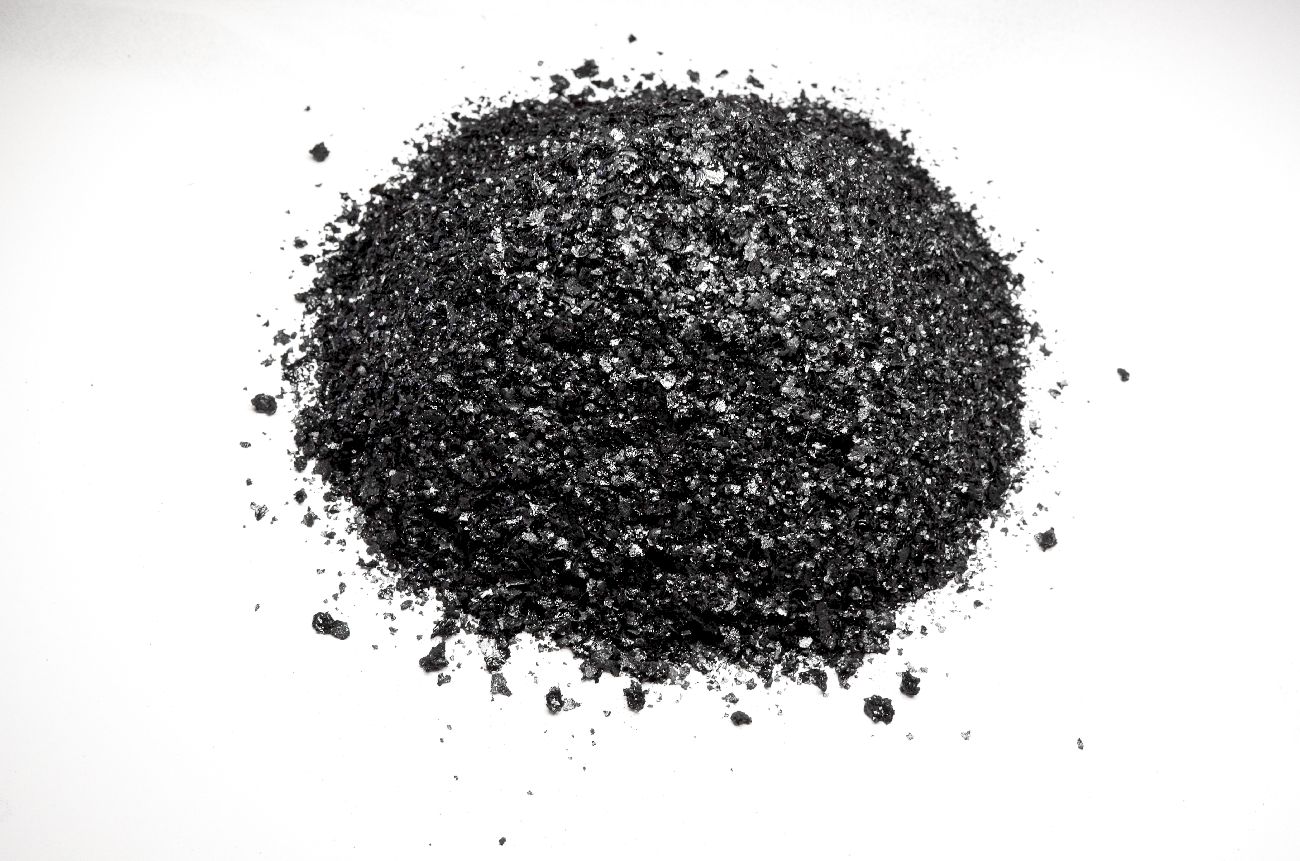
Potassium Humates – Feed Your Microbes The Best Pure Carbon Concentrate If you want the best quality potassium humate product available…
-
Humic Acids effect to soil
Soil humic substances (HS) are known to be beneficial for soils and plants, and mostpublished studies of HS and humates, usually…
-
Potassium Humate Application in Agriculture
Potassium Humate is extracted from lignite or leonardite. Potassium Humate is an organic water-soluble humic substance. It is a good plant…